
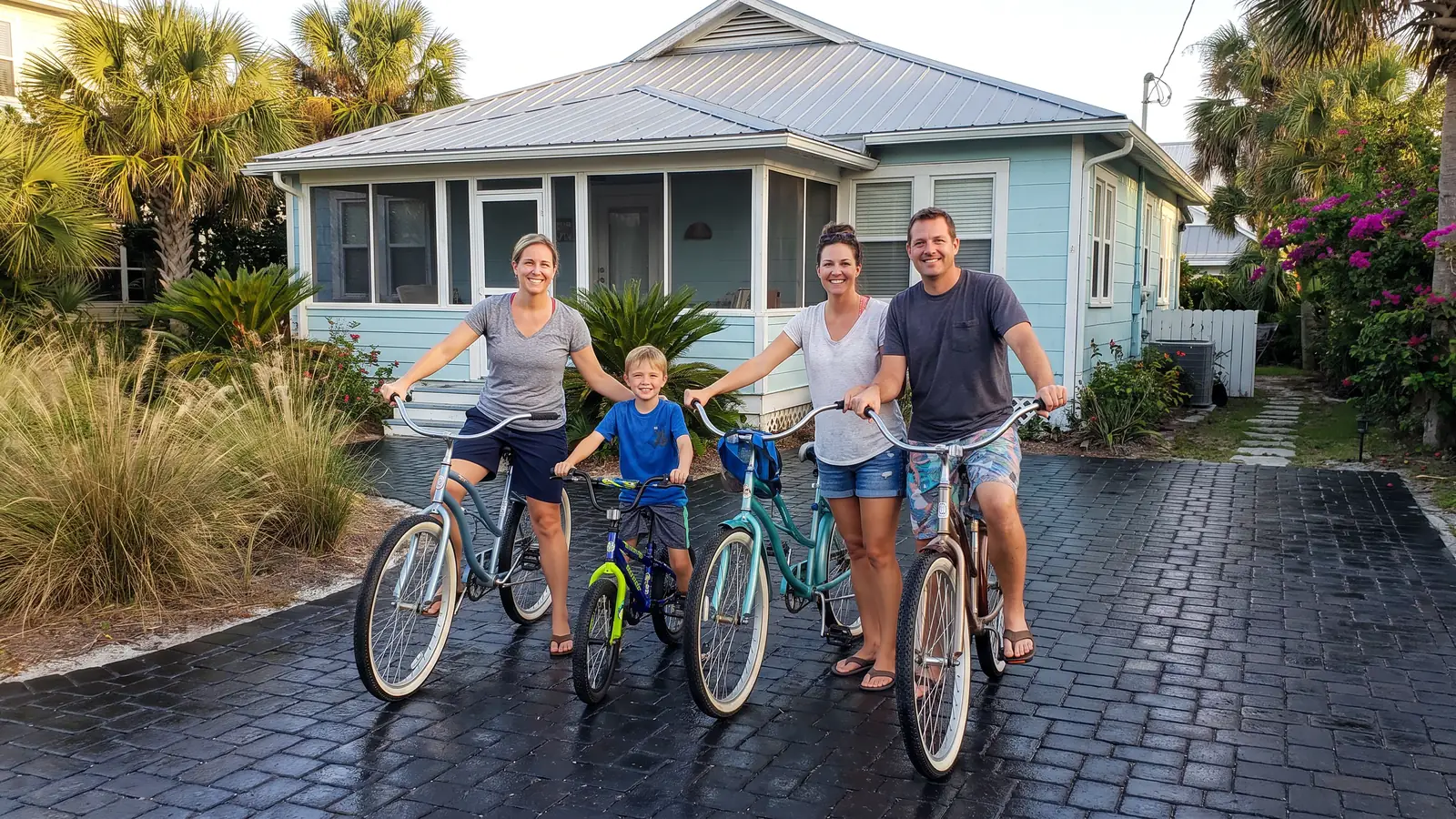
Paver sealing for Arlington homes
Paver Sealing in Arlington, FL
From the river bluffs to Pottsburg Creek, Arlington pavers get a plan to match; call (904) 685-4409 for an estimate.
- Brings out deeper paver color
- Fresh joint sand helps lock pavers in place
- Gives weeds less room to grow
- Makes the surface easier to keep clean
- Free estimate, no obligation
Request a Free Estimate
Free, no obligation.
Fast, careful paver sealing in Arlington
Arlington homeowners can book paver sealing and a free estimate, whichever corner of this large area you call home. A local contractor washes, re-sands and seals driveways, walks, fenced patios and pool decks. Reach out at (904) 685-4409 and you will hear back within 1 business day, usually much sooner.
Arlington covers a lot of ground, and the wear on your pavers depends on where you are in it. River blocks, creek lots and high ground each have a different problem. To say which one is yours, request a free estimate online and name your street.
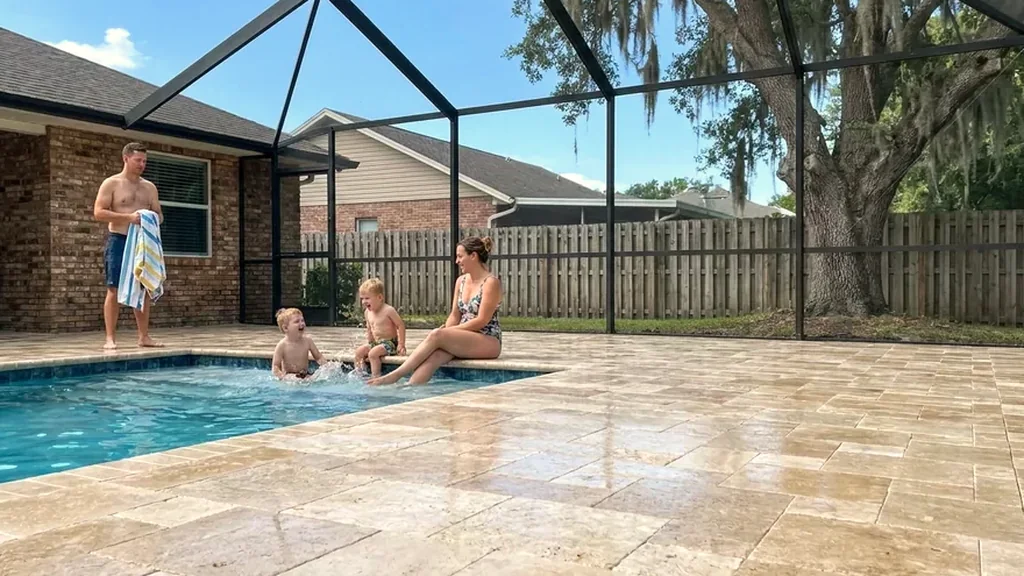
Why hire a local paver sealing contractor in Arlington?
Arlington homeowners pick a local paver contractor because river water, creeks and high sandy ground each change the job. To see which plan fits your street, request a free estimate online.
A free walk-through
The contractor looks at your Arlington pavers in person, measures them and quotes the work. The estimate carries no obligation. Photos can speed up the quote.
A published range
Around Northeast Florida the published price is $1.75 to $3.25 per square foot to clean, sand and seal. Use it to check any Arlington bid. Ask what each line includes.
Planned for your corner
A contractor who knows the river bluffs, the creeks and the hill asks the right questions about water and shade. That saves time on the first call.
Small jobs can ask too
A small patio can run into minimum job sizes at some companies. Ask what the minimum is before you compare. Bundling a walk with a driveway can help.
Get Your Free Estimate in Arlington
Tell us about your pavers in Arlington.
Free, no obligation
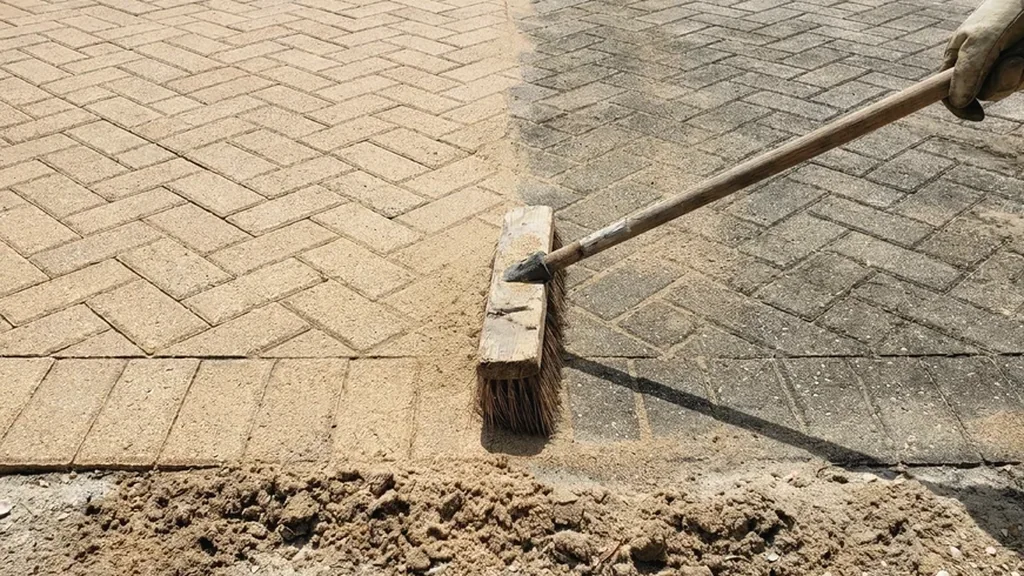
What paver problems show up most in Arlington?
River water on the bluff blocks
Arlington sits across the river to the east and south, and that river is an estuary where tides and ocean storms have a strong pull. The St. Johns Water Management District says storms can push ocean water upriver. Clifton and Monterey run along the river, so low driveways there can see water and silt. Pavers that went under need a full wash before any coat. A rinse with a garden hose will not lift river silt that has dried in the pores. The contractor uses a full wash and lets the surface dry before sand and sealer. Rust and silt together can leave a tan film that looks like a stain.
Creek water that comes and goes
Pottsburg Creek is 16 miles long and is fed mainly by rainwater, retention ponds and storm drain runoff, so its levels swing. Woodland Acres sits along Pottsburg, Strawberry and Silversmith creeks. In July 2022 homeowners on Woolery Drive in Arlington Hills had dealt with street flooding for at least a year, and the city planned a new culvert. Creek-side lots may stay damp longer. Tropical Storm Nicole in 2022 brought flooding to the Pottsburg Creek boat ramp along Beach Boulevard, which shows how quickly these waters can rise.
Sand that leaves from high ground
Arlington has some of the higher ground in North Florida, and early residents prized its drainage. Regency Square Mall opened in 1967 on an expanse of sand dunes, which hints at the sandy soil. Hard summer rain, one Jacksonville company says, carries sand out of joints that are not sealed. Weeds then root and pavers shift. Once the joints thin, tires push pavers out of line. Fresh sand and a sealed surface hold the pattern together. A Jacksonville company lists chalky color and low joints with sand in the gutter as signs it is time to reseal.
Brown stains under the live oaks
A First Coast cleaning company says Arlington and anything under a live-oak canopy get brown water stains from oak tannin on drives and walks. The Jacksonville Arboretum has a Live Oak Trail with trees more than a century old. Tannin lifts in the wash stage. Sealer afterward helps keep the next stain from soaking in. Tree Hill's 300-year-old oak shows how long these canopies have been dropping leaves and water on this part of town.
Long drives and a long list of owners
Safe Touch describes Arlington jobs as ranch homes with long drives, fences and pool decks. Many homes date from the 1950s and 1960s, and 44.28 percent of occupied homes in ZIP 32211 are rented. That means pavers may carry a coat nobody wrote down. Naming the old product up front avoids a coat that fails. A long drive also takes more tire passes, so the lanes wear first. Fences and pool decks add surfaces, and a clear list of them keeps the quote accurate.
Which part of Arlington am I in, and does it change the plan?
It can, because Arlington is a large area. It is the large section of Jacksonville across the river to the east and south, bounded by the Intracoastal Waterway and by the Arlington River and Southside. It joined the city in the 1968 consolidation. Tell the contractor your neighborhood when you request a free estimate online.
Lake Lucina homes were built between 1951 and 1962, with a median of 1955, and developer William Cesery bought forty acres around 1950 for the subdivision. River Forest is mostly 1950s and 1960s ranch homes of about 800 to 1,600 square feet. Arlingwood has brick ranches with a median year of 1961. None of these listings shows a mandatory HOA, so call (904) 685-4409 and ask about your own street.
Woodland Acres lies along three creeks and has seen significant infill housing over the past decade. Warrington Park there was completed in 1958. New pavers on an infill lot should wait about 30 to 60 days before the first seal, says a Jacksonville company. Mention when yours were laid when you request a free estimate online.
What does paver sealing cost in Arlington?
Safe Touch lists paver clean, sand and seal at $1.75 to $3.25 per square foot, and other First Coast companies publish the same range. Arlington's long ranch drives add up in square feet, so a full driveway can be a bigger number than the rate suggests. A cost guide says smaller projects cost more per foot. To get a figure for your own lot, request a free estimate online.
Fences, gates and nearby landscaping add prep and masking time, says a Jacksonville cost guide. Brown tannin and old failed sealer add washing and stripping. A small patio may hit a company's minimum job size. Call (904) 685-4409 and ask how a short walk would be priced.
| Paved area | Typical example | Clean, sand and seal |
|---|---|---|
| 300 sq ft | Small patio or walkway | $525 to $975 |
| 600 sq ft | Two car driveway | $1,050 to $1,950 |
| 1,000 sq ft | Large driveway or pool deck | $1,750 to $3,250 |
| 1,500 sq ft | Driveway plus pool deck | $2,625 to $4,875 |
Math based on the $1.75 to $3.25 per square foot that Northeast Florida paver companies published as of November 2026. Your contractor sets the actual price after seeing the surface. Repairs, leveling and stripping failed sealer are usually extra.
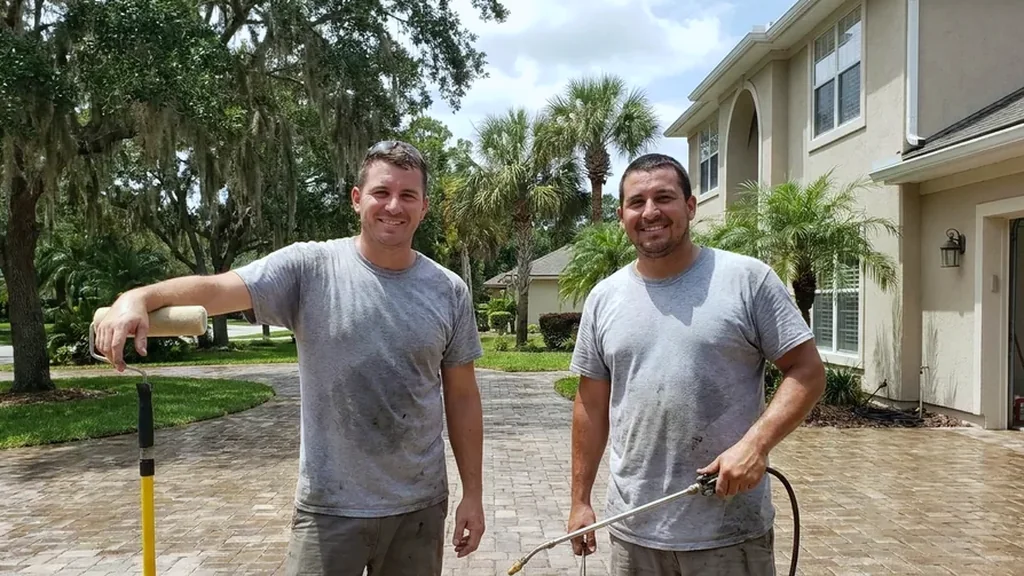
How does a paver sealing job work in Arlington?
See the lot and find the old coat
The contractor looks at the drive, the fenced patio and any pool deck. Sunken or root-lifted sections are marked for repair first, since sealing locks in the surface as it is. The old product is identified. You cannot layer water-based sealer over solvent-based sealer. Photos of the driveway and any pool deck help the contractor plan the visit.
Wash out tannin, rust and silt
The wash lifts brown oak stains, orange sprinkler rust, tire marks and any silt from creek or river water. The contractor pre-treats oil and rust before the main wash. A few deep stains may never lift all the way. Rinse water is kept off fences, brick walls and flower beds. Wash water is directed away from the street so grit does not clog storm drains. Brick garden walls and fences get masked where needed.
Fill the joints from edge to edge
Fresh sand goes into every joint. On sandy Arlington ground, full joints give the pavers the grip they need. A trade article says weeds appear where joints have widened and lost sand, and that sealing discourages them. Excess sand is swept away. A longer driveway uses a good deal of sand, so the contractor brings enough for the full run. Some jobs use colored sand to match the pavers, which the contractor can show.
Let the surface dry out
One Jacksonville page advises sealing only after the pavers are fully dry, usually 24 to 48 hours past the wash. Creek-side lots and shaded walks take longer. Summer storms can reset the clock. The contractor waits. If a storm is in the forecast, the contractor moves the day instead of rolling the sealer on damp pavers. Shaded corners under live oaks are the last to dry, so they are checked last.
Seal and keep off
Spraying and back-rolling the sealer pushes it down into the joints. Foot traffic is usually fine in a few hours, and cars should stay off about a day. A simple test shows the result: water that beads means the sealer is working. Pool furniture goes back after the coat has cured, which the contractor will name. Furniture and grills wait until the contractor says it is safe.
Complete paver services in Arlington
An Arlington job follows the order wash, sand, dry, seal. The wash comes first so tannin and silt are gone before anything is locked in. Sealer goes on last. To ask how long each step takes on your lot, call (904) 685-4409.
Long driveways, fenced patios and pool decks each get a plan. Driveways take tires and sun, patios under oaks stay damp and decks need grip. A brick wall or a fence calls for careful masking. Tell the contractor what you have when you request a free estimate online.
Sealer choice runs from natural matte to wet look, and some products soak in with little change in color. Most Jacksonville pool decks get a penetrating sealer because film-forming ones can trap moisture and turn slick. On a mid-century brick ranch, matte is the quiet match. Call (904) 685-4409 to talk it through.
Weather sets the day. Jacksonville's rain is concentrated from May to September, and November through April is drier. Creek-side lots may need an extra dry day after a storm. To pick a window that suits your street, request a free estimate online.
Questions to ask before you hire
- What is the deposit, and when do I pay the rest?
- Will you reschedule if a tropical system or a sea breeze shower is in the forecast?
- Will you test the sealer on a small corner first so I can see the color?
- Does the quote say how many square feet, how many coats and which products?
- How do you handle joints that have washed out or sunk after heavy rain?
- Can you clear the rust spots left by my irrigation water before sealing?
- Which sealer holds up against salt spray and blowing beach sand?
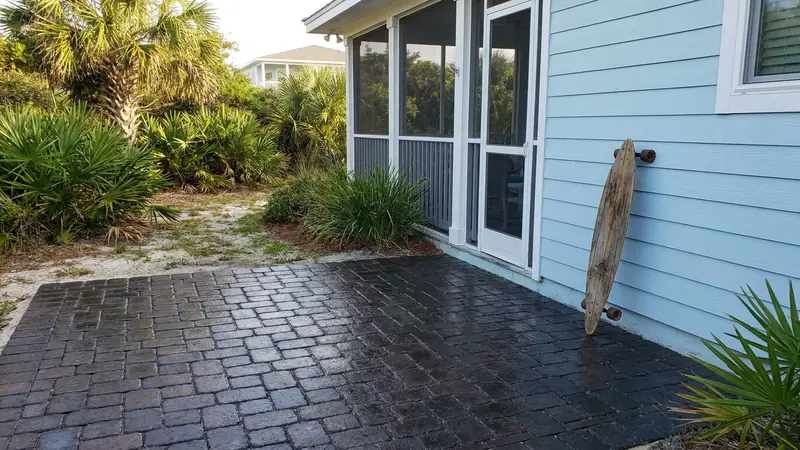
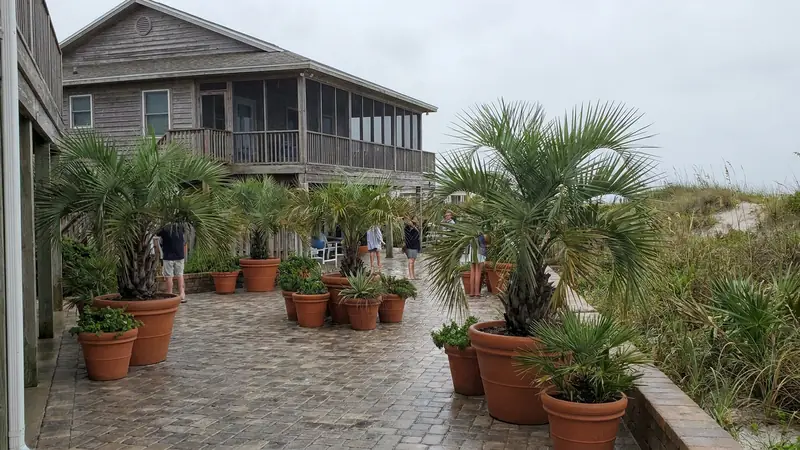
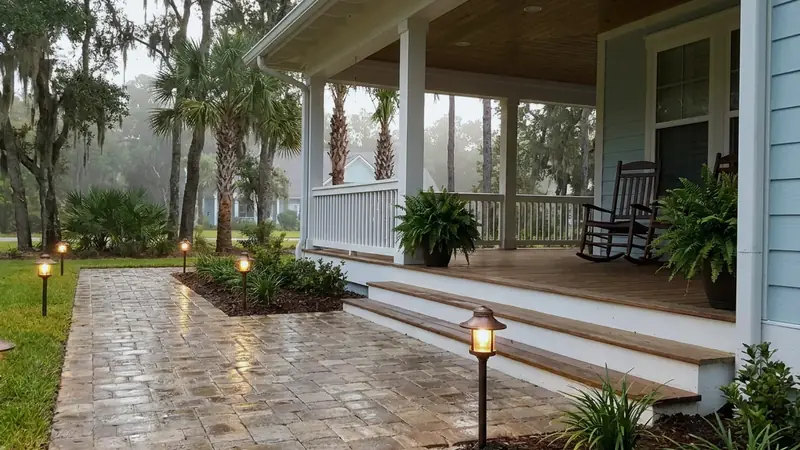
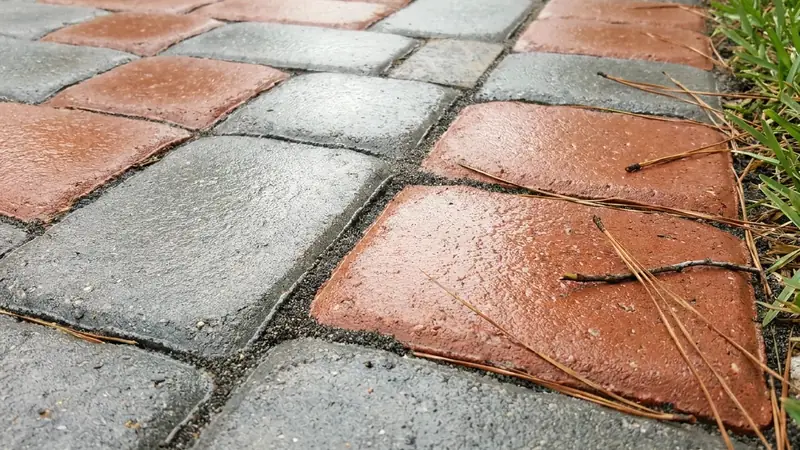
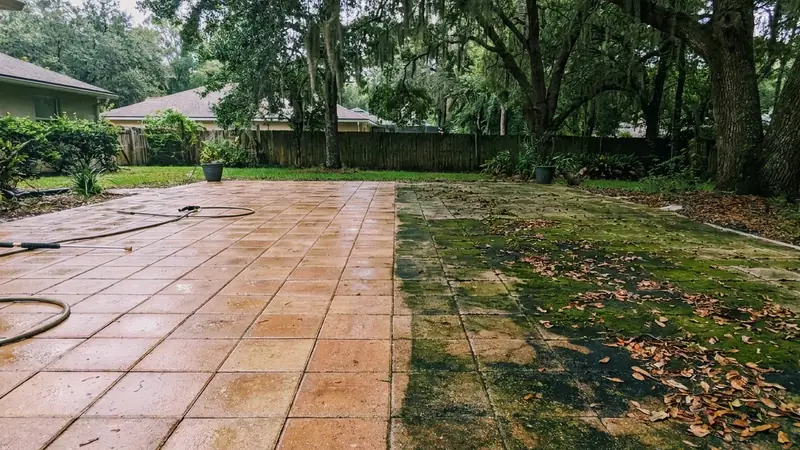
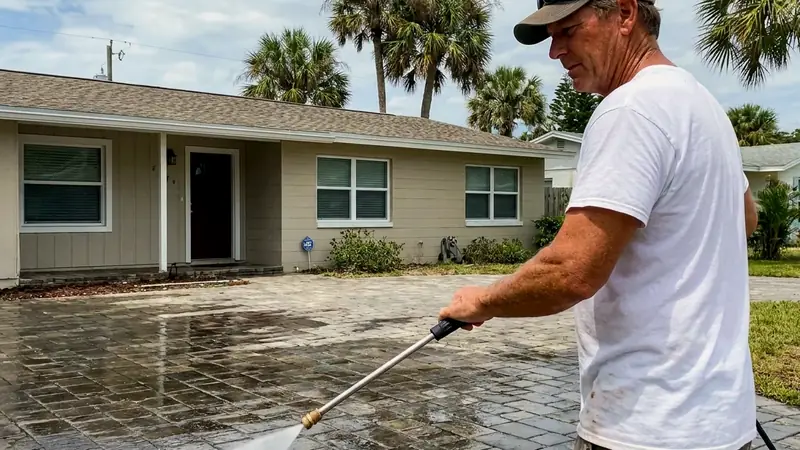
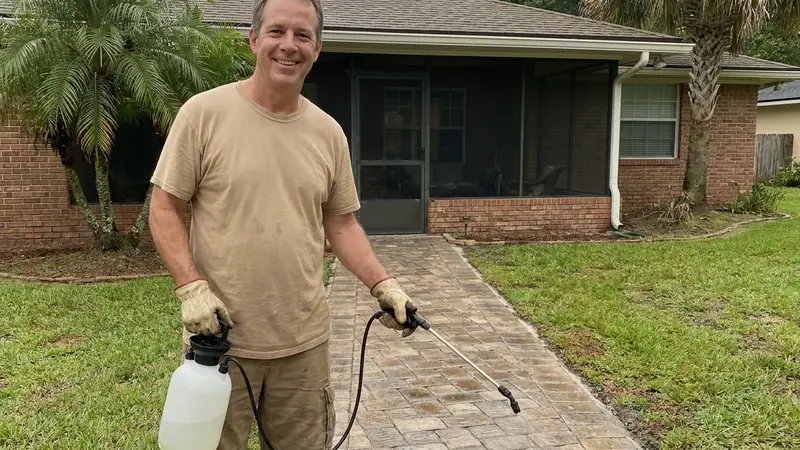
What do sealed pavers look like around Arlington?
Why local matters in Arlington
A local contractor knows Arlington is not one place. River blocks, creek lots and high ground each ask for a different wash and a different wait. Knowing which you have saves rework. To describe your corner, call (904) 685-4409.
Local crews also know the roads. Merrill Road was cut to two lanes for a JEA sewer pump station project starting June 2, 2025, and University Boulevard carries about 28,000 travelers a day. A crew that knows the area plans arrival times around that. You can request a free estimate online and ask how scheduling works.
The housing is old enough that history matters. Many Arlington homes from the 1950s and 1960s still stand, with sharp edges and sloping roofs typical of mid-century design. A contractor who works here picks finishes to suit those lines. Send a photo of your front when you request a free estimate online.
What shaped Arlington's streets and driveways?
The car did, because Arlington was called Jacksonville's first major post-war suburb built for the automobile. Terry Parker began buying land around 1943, and the 7,382-foot Mathews Bridge opened in 1953. More than 50,000 new residents had arrived by 1961. If you live near Arlington Expressway, call (904) 685-4409.
Atlantic Boulevard, finished in 1910, was Florida's first modern improved highway, and Jacksonville University bought land here in 1947. Norman Studios at 6337 Arlington Road made silent films after 1922, and the Ocean Grove Association bought Clifton in 1873. Tree Hill, at 36 feet, is described as Duval County's second-highest point. Name the landmark nearest you when you request a free estimate online.
Frequently Asked Questions
Is it good to seal pavers in Florida, and does Arlington need it?
Yes, because sun, heavy rain and tannin wear unsealed pavers. A Jacksonville company says unsealed joints lose sand in summer downpours. Sealing holds sand in place and makes the next wash easier. A water test shows when a coat has worn: if water soaks in and darkens the paver, it is time.
How long do paver sealers last in Arlington?
Most companies quote somewhere between two and five years before a reseal. One local company recommends resealing every 3 to 5 years, and another says a coat done with care should last that long. Full-sun drives wear out sooner than shaded walks. Ask the contractor which end of the range fits your lot.
How much does it cost to have pavers cleaned and sealed in Arlington?
Count on $1.75 to $3.25 per square foot for the wash, the sand and the sealer, a range First Coast companies commonly publish. Stripping a failed old coat costs more. Have the quote show the square footage. A measured walkthrough gives the real number.
Why is paver sealing so expensive in Arlington?
Prep is most of the cost. One Jacksonville company spends roughly 2 to 3 hours of prep for each hour of sealing. Fences, landscaping and tannin stains add to it. Ask what the estimate includes.
How much does it cost to clean and seal pavers on a long Arlington driveway?
The rate stays the same, $1.75 to $3.25 per square foot, but the total grows with the area. Larger projects can cost less per foot because prep time does not scale with size. Ask for the measured total.
Do brown oak stains come out of Arlington pavers?
Usually most of them do. A Jacksonville company says it pre-treats oil, rust and tire marks and many lighten a lot, though some deep stains will not come out completely. Tannin from live oaks is lifted in the wash. A test spot shows how much will lift.
Can pavers that flooded be sealed right away in Arlington?
No. Pavers should be fully dry first, typically 24 to 48 hours after cleaning. Silt from creek or river water is washed off before sand and sealer go on. Shaded or low corners take longer.
Can a renter or landlord book paver sealing at an Arlington rental?
The owner should approve it. Roughly 44 percent of occupied homes in ZIP 32211 are rentals. A landlord can request the estimate and share access details. A tenant can ask the owner to call.
Is a small Arlington patio too small to seal?
Not always, but some companies set minimum job sizes. A cost guide says smaller projects cost more per square foot. Ask what the minimum is when you request the estimate. Bundling a walk with a driveway can help.
What finish suits a mid-century Arlington home?
Matte is the quiet choice and keeps the natural look. Wet look finishes deepen color and show scuffs sooner. Arlington has homes by architects Robert C. Broward, Taylor Hardwick and William Morgan, so a calm finish respects those lines.
What happens if my Arlington lot sits near a creek and floods again?
Pavers that took creek water get a full wash to remove silt, then a dry wait before sand and sealer. The city has worked on culverts and ditches in Arlington Hills, but heavy storms can still pond water. Sealing does not stop flooding, and it can make the next cleanup easier.
Does a fenced Arlington backyard patio cost more to seal?
It can. Locked gates, stairs, tight side yards and nearby landscaping all add prep and masking time, one Jacksonville cost guide says. Tell the contractor about gates and access when you ask for the estimate.
Ready for a Free Estimate in Arlington?
Call (904) 685-4409 and tell us about your pavers.
Free, no obligation